
Optimal Timing for Demolition Services
Determining the optimal time for demolition services involves considering various factors such as weather conditions, project scope, and local regulations. Typically, the most suitable periods are during mild weather seasons to ensure safety and efficiency. Planning demolition during these times can minimize delays and reduce complications related to adverse weather.
Spring and fall often provide the best weather conditions for demolition projects, avoiding extreme heat or cold that can impact safety and equipment performance.
Scheduling demolition after necessary permits are obtained and before construction begins ensures a smooth transition between phases.
Compliance with Myrtle Beach, SC, local regulations may influence the timing, especially regarding noise restrictions and permit approvals.
Avoiding periods of heavy rain or storms reduces risks such as soil erosion and equipment damage, promoting safer operations.
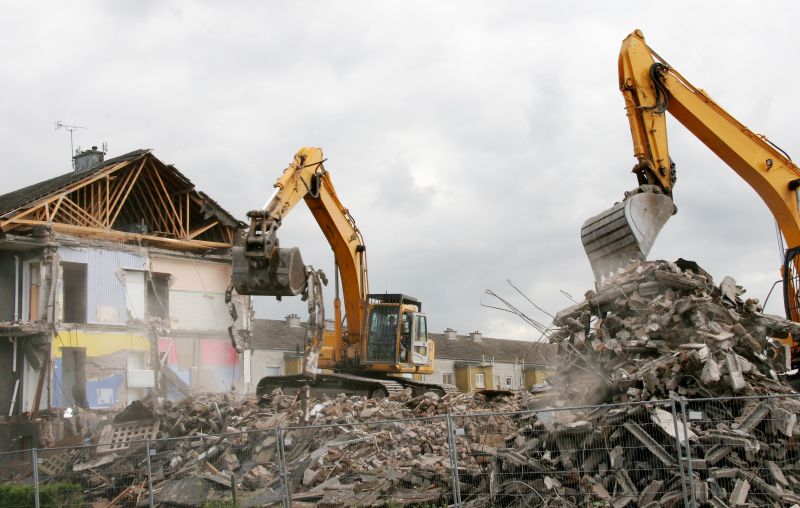
Heavy machinery preparing for a demolition project.
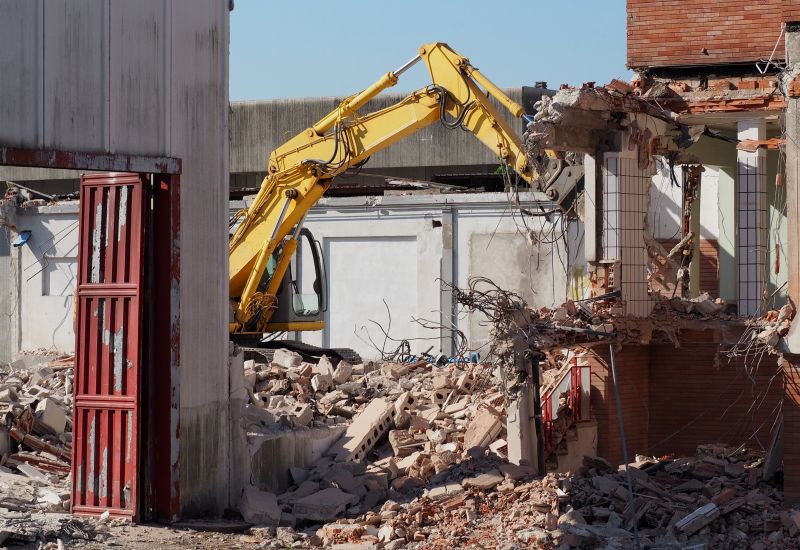
Pre-demolition site setup with safety barriers and equipment.

Explosive or mechanical demolition methods in progress.
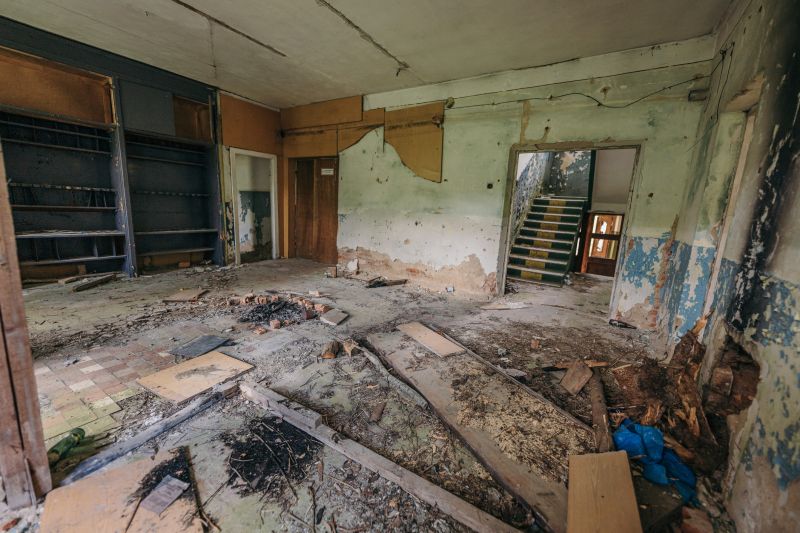
Ways to make Demolition Service work in tight or awkward layouts.
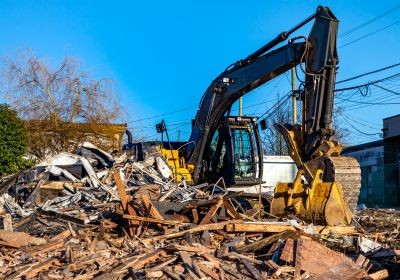
Popular materials for Demolition Service and why they hold up over time.
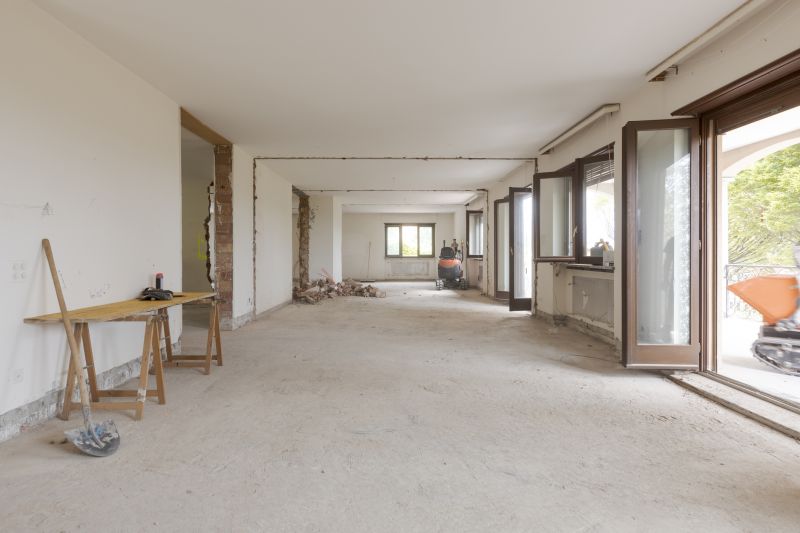
Simple add-ons that improve Demolition Service without blowing the budget.
| Factor | Best Time to Demolish |
|---|---|
| Weather Conditions | Mild seasons like spring and fall |
| Permit Availability | After securing necessary permits |
| Project Scope | Before construction begins |
| Community Impact | Weekdays during business hours |
| Safety Considerations | Avoid during extreme weather |
Demolition services are essential for preparing sites for new construction or renovation projects. They involve the systematic dismantling of structures, ensuring safety and compliance with local regulations. Proper timing optimizes operational efficiency and minimizes disruptions. Demolition projects can vary from small residential removals to large commercial demolitions, requiring careful planning and execution.
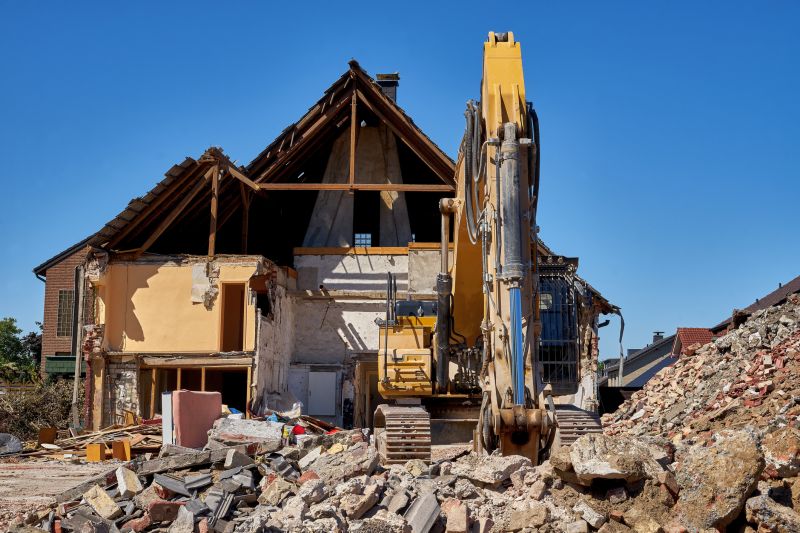
Various types of machinery used in demolition work.
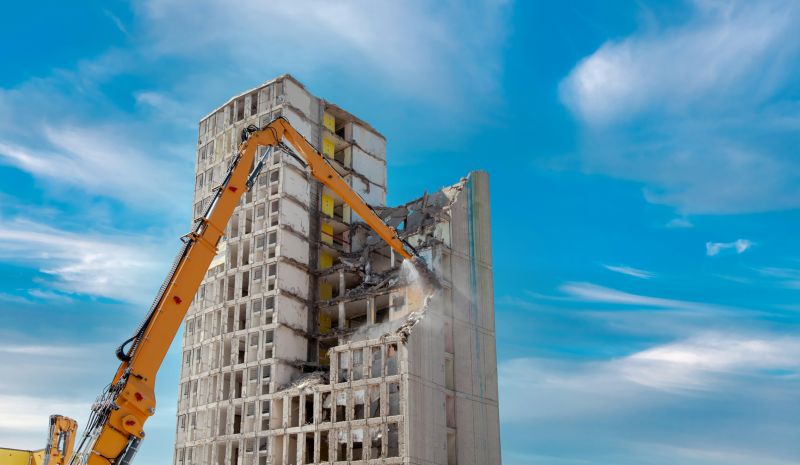
Removing debris and preparing the site for new development.
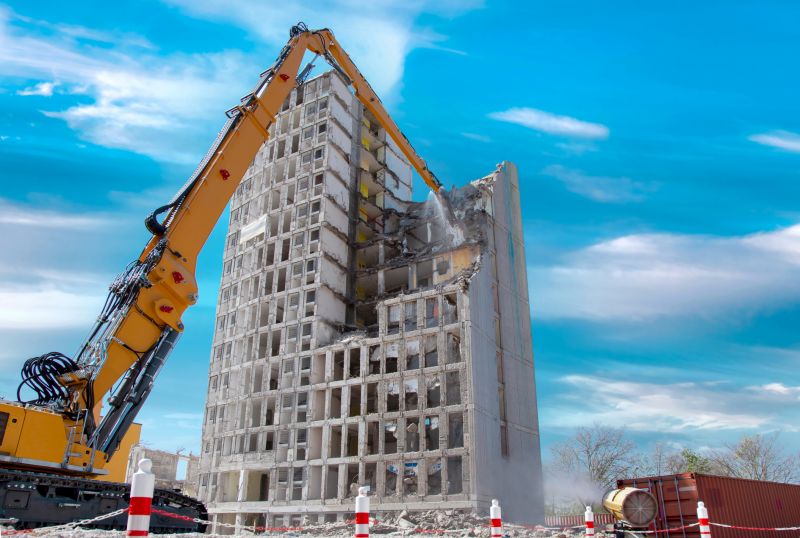
Controlled collapse of a building's structure.
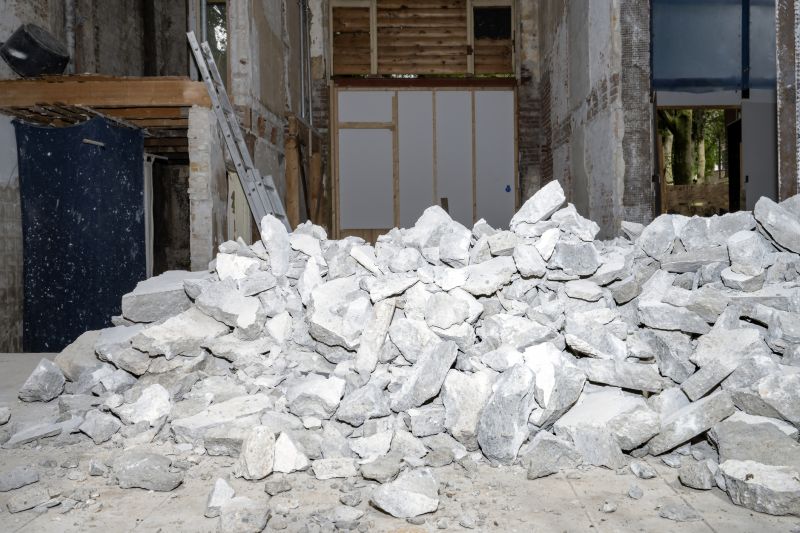
Efficient cleanup after demolition completion.

High-end options that actually feel worth it for Demolition Service.

Finishes and colors that play nicely with Demolition Service.

Little measurements that prevent headaches on Demolition Service day.
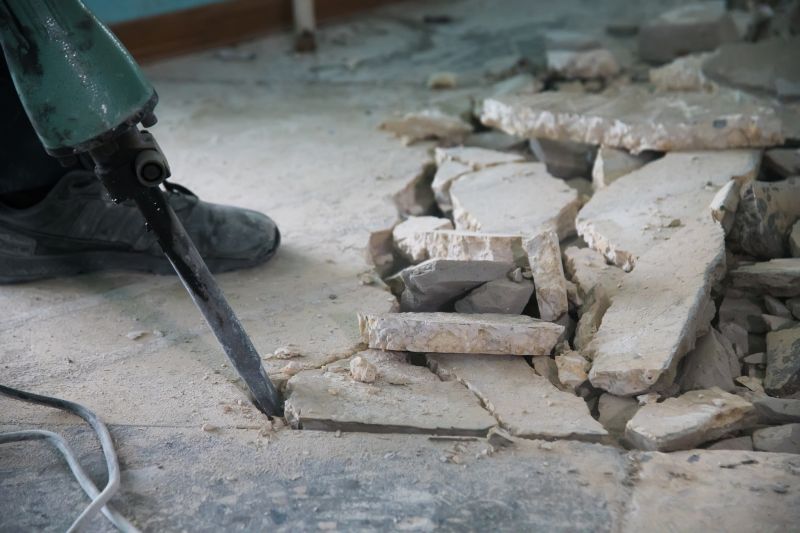
A 60-second routine that keeps Demolition Service looking new.
Choosing the right time for demolition can lead to cost savings, reduced project delays, and safer work environments. It is advisable to coordinate with local authorities and plan around weather forecasts to ensure optimal conditions. Proper timing also helps in managing noise and debris, minimizing impact on the surrounding community.
Evaluate the site for weather, access, and structural stability before scheduling demolition.
Ensure all necessary permits are obtained in advance to avoid delays.
Schedule demolition to align with the start of construction activities.
Consider local weather patterns and seasonal changes for optimal timing.
Effective planning for demolition timing can significantly impact project success. By considering seasonal weather patterns, regulatory requirements, and community needs, projects can proceed smoothly with minimized risks and delays. Consulting with experienced demolition professionals ensures that timing aligns with all operational and safety considerations.